Articles ·
Design isn't what you do. It's what you decide to do.
Design Thinking in the Age of AI: What We Gain, and What We Lose
AI isn’t just changing how we design.
It’s changing what it means to be a designer.
What stays human when the process becomes intelligent?
I had this conversation with a master’s student recently. And it got me thinking.
We’re not just speeding things up. We’re redefining what it means to design. To think. To create, side by side with intelligent tools.
AI in Design Thinking: Where It Fits (and Where It Doesn’t)
Before we dive in, here’s a quick refresher:
The Design Thinking process includes five phases:
- Empathize: Understand users and their needs.
- Define: Clearly articulate the problem.
- Ideate: Brainstorm potential solutions.
- Prototype: Build and create to test.
- Test: Validate with real feedback.
AI is already a powerful ally in design thinking. It now plays a role in every phase of the process.
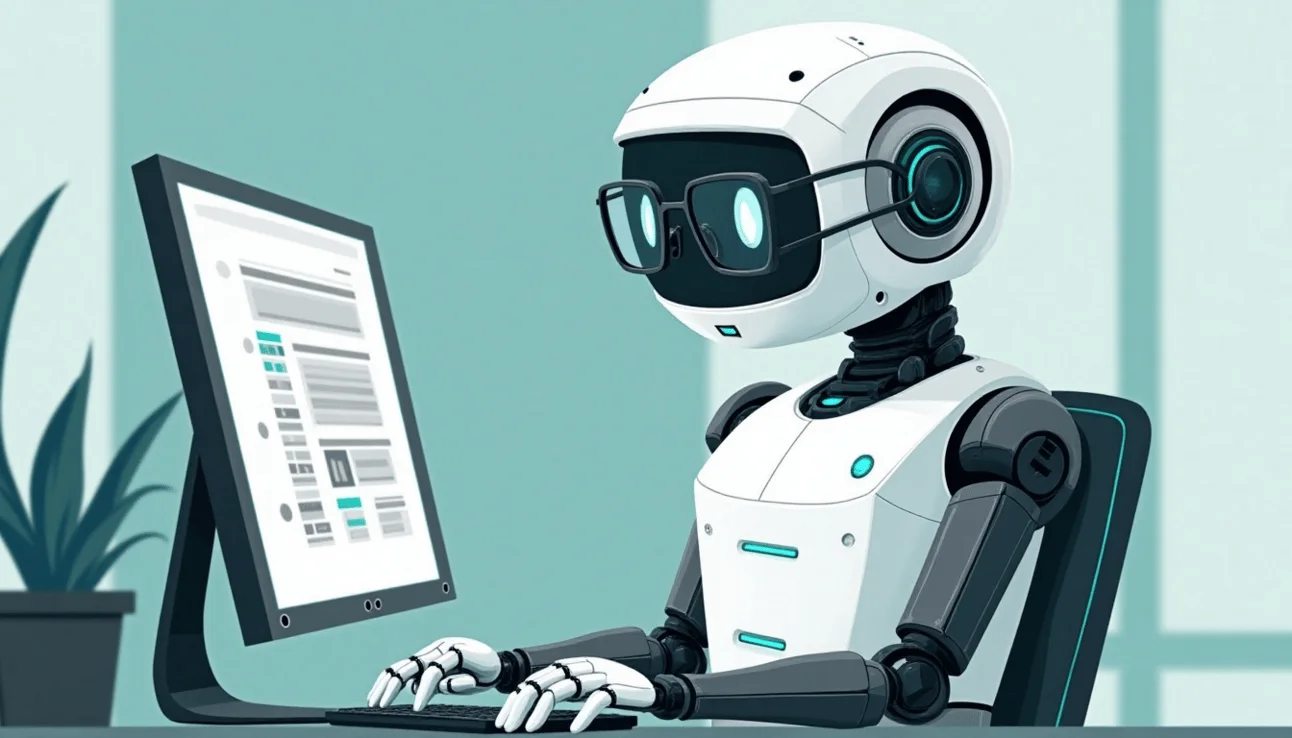
In Empathize (research), AI simulates user insights. It finds patterns and uncovers pain points. You don’t always need interviews to get started.
Ask the right questions. You’ll get usable inputs. Fast.
In Define and Ideate, AI helps synthesize findings. It surfaces opportunities. It suggests new directions.
In Prototype (design), AI handles the heavy lifting. It structures the sitemap. Defines tags and labels. It maps out the information architecture. It writes content. Generates visuals. Aligns them with your brand. Then it brings it all together. Starts with wireframes. Moves to high-fidelity mockups. If your design system is solid, it can even output production-ready screens.
In Test (evaluation), AI acts like a heuristic expert. It analyzes mockups. Suggests improvements. It simulates interactions and flags usability issues. But real users are still needed. To uncover the emotional truth behind decisions.
Still, knowing what to ask and why remains a human job.
Tools are evolving fast. “Vibe coding” means building products with natural language, just like talking to a teammate. Think tools like Relume, Lovable, Bolt, or Replit. You describe it. They build it.
We Still Need to Be in the Room

Even as AI gets better at executing each piece, there’s still one thing it can’t do: connect the dots like a human can.
Real user research still matters. Human judgment still matters. If you’re designing with users at the center, then you need humans involved, even if AI can do 80% of the heavy lifting. Otherwise, we risk building things that look impressive but miss the mark.
So no, AI won’t replace designers. But it will reshape what designers do.
Our role shifts from executor to orchestrator. AI becomes the ultimate teammate: fast, tireless, and skilled in almost everything except judgment. We stop being the workers. We become the directors. The ones who see the whole picture and guide the orchestra to create something cohesive.
That shift is both thrilling and unsettling. Because being a director means owning the vision, not just executing tasks.
A Word of Caution (Especially to Juniors)
There’s something we don’t talk enough about: junior roles still need to do things manually. You have to build your foundation before you can delegate to AI. If you’ve never learned how to critique a layout or define a solid user flow, you won’t know if the AI got it right.
Experience becomes the differentiator. The ability to direct AI depends entirely on your depth of understanding.
So to juniors: learn the craft before you automate it. And to seniors: evolve your roles fast, or risk becoming obsolete.
Final Thought: It’s Bigger Than Productivity
AI isn’t just a tool to make things faster. It’s a mirror, reflecting how we work, what we value, and the kind of world we’re building.
It challenges us to rethink our purpose. If a machine can outperform us at tasks we’ve trained our whole careers to master, what then? Do we double down on creativity, empathy, vision? Do we shift our definition of success, from output to impact?
This isn’t just a tech revolution. It’s a human one.
Let’s use AI not to squeeze more out of ourselves, but to give ourselves the space to focus on what truly matters.
If AI gives you back your time and multiplies your reach, how will you use that gift?
And remember: While everything is designed, only the bold design their own path. Let’s be bold together.
And hey, if this resonated, pass it along to someone who’s asking the same questions.