Articles ·
How Branding Hacks Your Brain (Without You Noticing)
The human mind isn’t broken. It’s just running ancient software in a modern world.
A few weeks ago, I finished reading Why Buddhism is True by Robert Wright, and honestly, I’m still processing it. Not because it’s mystical. Quite the opposite. It’s a book about Buddhism that doesn’t ask you to believe in anything. No gods. No soul. Not even a self.
Maybe that’s exactly why it hooked me. I come from a mixed background: I studied science and technology in high school, then went on to pursue design degrees and a UX master’s. So I’ve always approached ideas from two angles at once: the logical and the visual, the analytical and the emotional. So when a book combines Buddhism, psychology, and brain science to explain why we think, feel, and suffer the way we do… I’m all in.
We’re Not as Rational as We Think
Wright dives deep into evolutionary psychology to deliver an uncomfortable truth: We’re more animal than algorithm.
Our brains didn’t evolve to be objective. Or calm. Or wise. They evolved to keep our DNA alive, at any cost. Quick decisions, fast reactions, constant craving and aversion. That’s the operating system we’re running. It’s optimized for survival, not for happiness or clarity.
And that explains so much of modern life:
- Why anxiety shows up out of nowhere
- Why we obsess over trivial things
- Why we’re constantly chasing or rejecting without really knowing why
All of it (emotional pain, impulsive decisions, constant distraction) comes from a brain doing exactly what it was programmed to do… just in a world it didn’t evolve for.
The Buddhist Lens: Seeing Clearly vs. Reacting Automatically
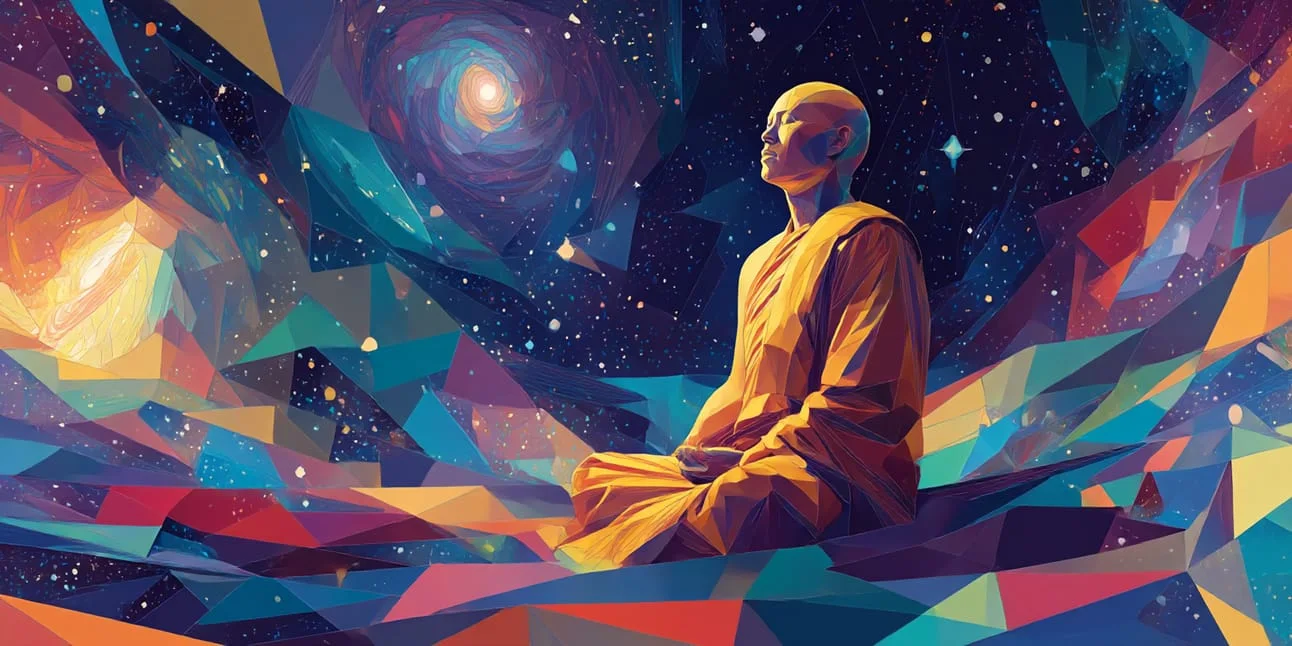
At its core, Buddhism isn’t about rituals or religion. It’s about understanding how the mind works, and why we suffer unnecessarily.
Here are a few core concepts from the book (and from Buddhism in general) that stuck with me:
- Dukkha: usually translated as “suffering,” but more accurately it means dissatisfaction, friction, that low-grade tension we constantly feel when reality doesn’t match our expectations.
- Tanha: craving, the constant grasping we do for pleasure, status, validation. Or the rejection of pain, discomfort, boredom. It’s our mind trying to fix Dukkha by chasing something.
- Anatta: the idea that there is no fixed “self.” Just a stream of thoughts, feelings, reactions, impulses. No one captain steering the ship, just different brain modules taking turns.
Now here’s the twist: these same mental patterns are what branding and UX tap into every day.
Good UX reduces Dukkha by minimizing friction. Branding plays to our Tanha: our craving for identity, meaning, belonging. And the illusion of “self” is exactly what marketers leverage when they say: This product is for people like you.
UX Design Is Basically Applied Neuroscience (with a Touch of Buddhism)
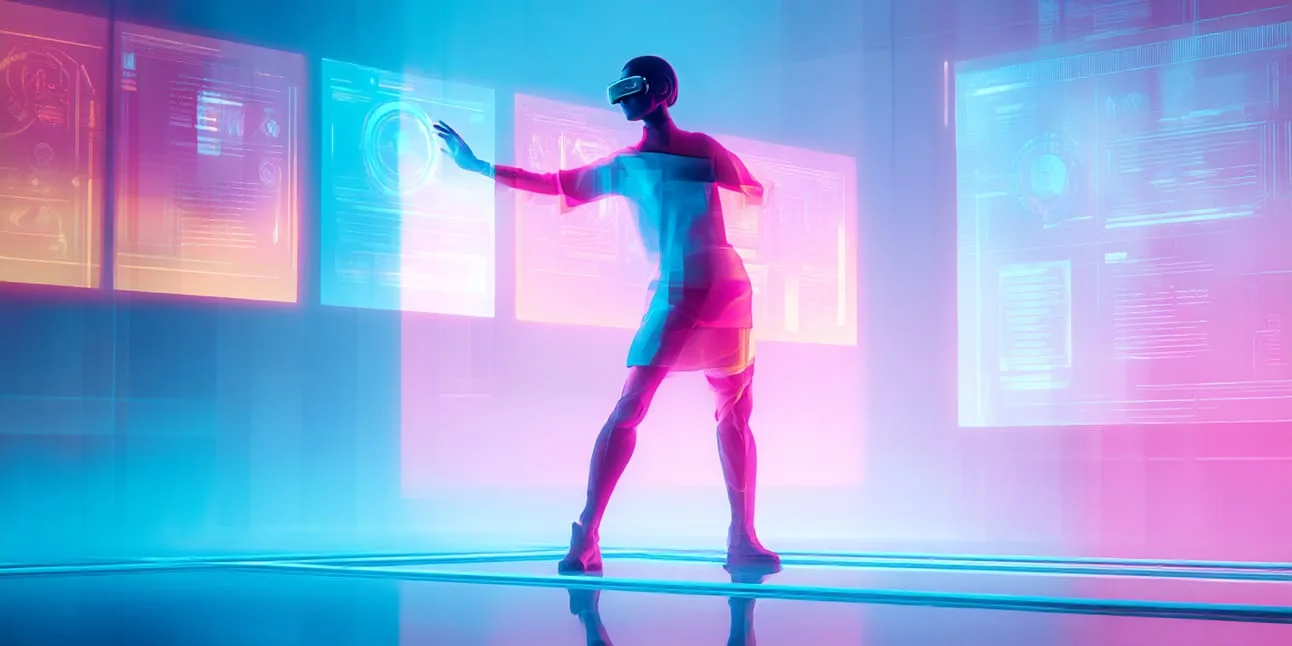
User-centered design, when done right, is deeply psychological. At its core, it’s about empathy. Seeing the world not as we see it, but how others do. And that requires more than personas and journey maps.
It requires understanding how the mind works:
- What creates cognitive friction?
- What triggers impulsive behavior?
- What creates a sense of trust or delight?
UX isn’t just about usability. It’s about working with, not against, the architecture of the human mind. Which, funny enough, is exactly what Buddhist meditation trains you to observe: the hidden, messy, irrational nature of your own mind.
You’re Not a Self. You’re a Committee.
One of the most powerful ideas in the book is this: There is no single, unified “you” calling the shots. Your mind is modular: a collection of systems that compete for control based on the situation.
One module wants sugar. Another wants to scroll Instagram. Another wants to feel important. And another one, somewhere in the back, just wants a nap.
The “self” is really just the story we tell ourselves after the decision has already been made.
So what does this mean for design? It means we’re never designing for a purely rational user. We’re designing for a layered, conflicted, emotionally-driven organism that responds to cues, context, and subtle signals, even if they’re not aware of it.
The Wine Label Experiment (aka Why Branding Works So Well)

Here’s the part that blew my mind, and made me think deeply about design and marketing:
In a study mentioned in the book, people were given the same wine, but with two different labels: one expensive, one cheap. Most people said they preferred the expensive one.
Not surprising, right?
Here’s the wild part: Their brains showed higher activation in the pleasure center (specifically the ventromedial prefrontal cortex) when drinking the “expensive” wine. They didn’t just say it was better; they actually experienced it as better. Objectively, it was the same wine. But perception changed the experience. The label rewired their reality.
That’s branding. That’s how essence is created. It’s not about the product. It’s about the meaning we project onto it. And design is the delivery system for that projection.
Everything Is Perception. And Perception Can Be Designed.
Wright explains that we don’t just see things; we assign essence to them. A product isn’t just a product. It’s “luxury,” or “reliable,” or “sustainable.” These aren’t facts. They’re feelings. Constructs shaped by evolution to help us decide quickly what matters to our survival and social identity.
That’s where design comes in. Because we’re not just building interfaces or visuals; we’re shaping perception. We’re crafting illusions. And I don’t mean that cynically. When done ethically, it’s powerful. Design can reduce friction, spark joy, build trust, and even guide people toward better decisions. But it has to start with understanding how the mind actually works, not how we wish it did.
Try This: Design Like a Meditator

Here’s a small practice I’ve started using when designing anything:
- Pause before making a design decision
- Ask: what emotion is this triggering?
- Is it clarity, calm, curiosity… or pressure, urgency, insecurity?
- Am I guiding or manipulating?
No judgment. Just awareness. Because the more we understand the mental modules we’re designing for, the more intentional we can be with every touchpoint.
The human mind isn’t broken. It’s just running ancient software in a modern world. Our job, as designers, creators, and humans, is to understand the system. And create with clarity.
If this sparked something for you, send it to a fellow designer who’s part artist, part scientist, part existential detective. They’ll get it.