Articles ·
The Designer Who Made Computers Human
Design History: Susan Kare - The Unsung Hero of UI
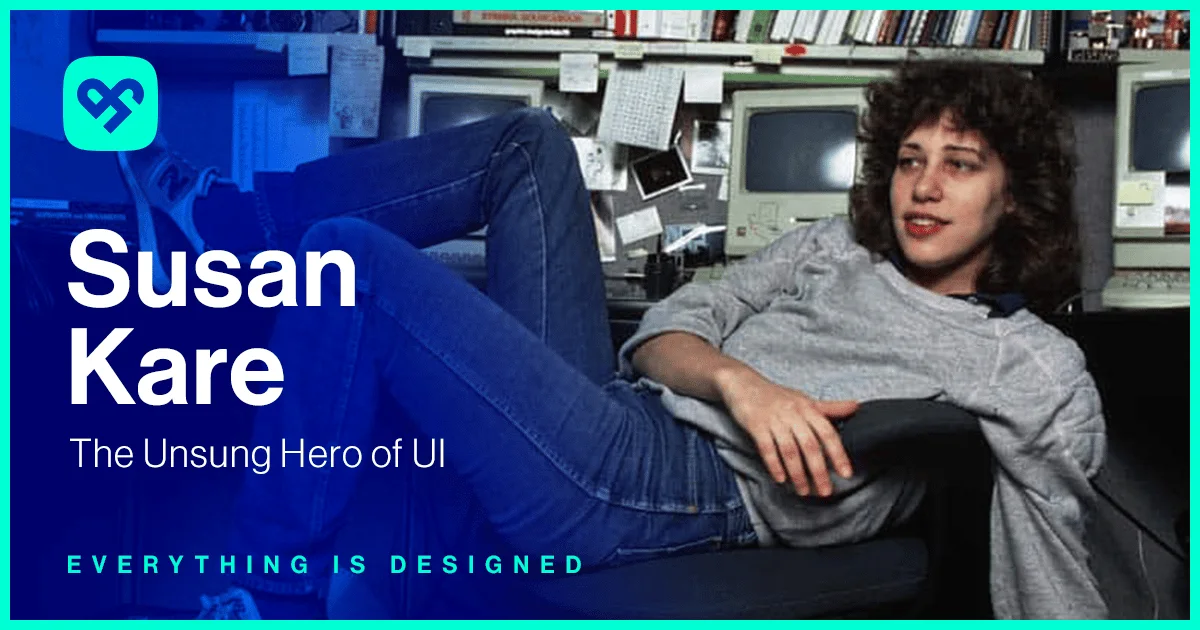
We all know about Steve Jobs, Jony Ive, and Steve Wozniak. Their names come up constantly when we talk about technology revolutions. But what about Susan Kare? Despite her profound influence on how we interact with technology, she remains one of design’s greatest unsung heroes.

From Sculptor to Digital Pioneer
Kare worked at Apple during those early foundational days. While Apple drew inspiration from Xerox PARC’s interfaces, it was Kare who transformed those concepts into something people could actually connect with.
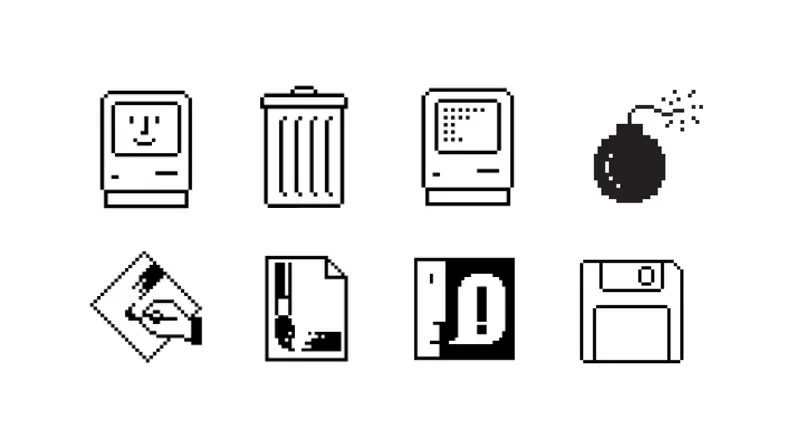
That friendly smiling Mac that greeted you when you turned on your computer? Pure Kare magic. The Finder icon we still recognize today carries her visual DNA. What’s fascinating is she had zero computer background - she was a sculptor who jumped into digital territory without hesitation.
Creating Typography Within Limitations
She created the first font family for Macintosh. Imagine designing typography with chunky pixels on primitive CRT screens. Her “Chicago” typeface became the system font for Mac, somehow making letters both readable and distinctive despite serious technical limitations.

The 32×32 Pixel Canvas
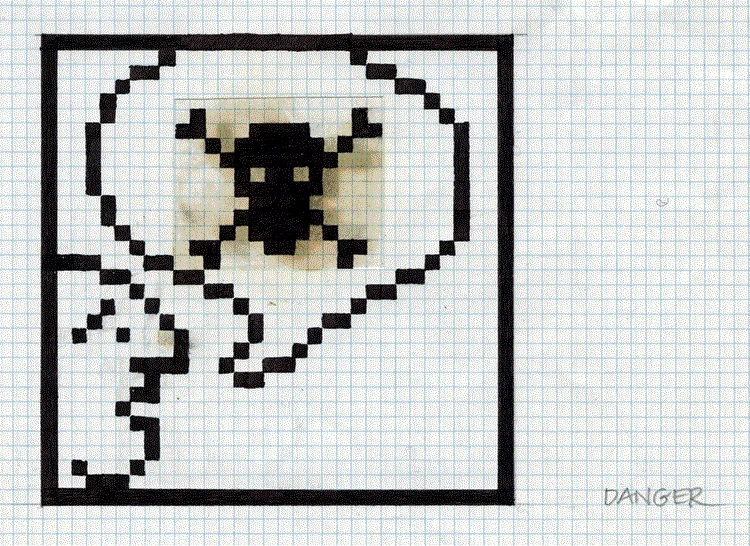
Her icons were created within a tiny 32×32 pixel grid, just black or white squares. But her brilliance wasn’t just visual - she translated abstract computer operations into metaphors anyone could understand. Need to delete files? Here’s a trash bin. Want to organize documents? Use folders like the ones on your desk.
Adding Humanity to Technology
The magic of her work was how she added personality to technology. Instead of cold, technical symbols, she created friendly, intuitive designs that made early computers feel welcoming when most people were still intimidated by them.
Beyond Apple: A Legacy That Spans Tech Giants
After Apple, Kare’s talent took her to NeXT (yes, another Steve Jobs venture), and then to Microsoft, where she designed the card deck for Windows 3.0 Solitaire. Think about that: her design for a simple card game has likely been seen by billions of people. Talk about reach!
She later created icons for Facebook and Pinterest too. Her gift for creating instantly recognizable, friendly interfaces became something of a superpower across Silicon Valley. Why? Because she understood something fundamental that many designers (even today) miss: interfaces should speak human, not computer.
From Pixels to Principles: What Kare Can Teach Modern Designers
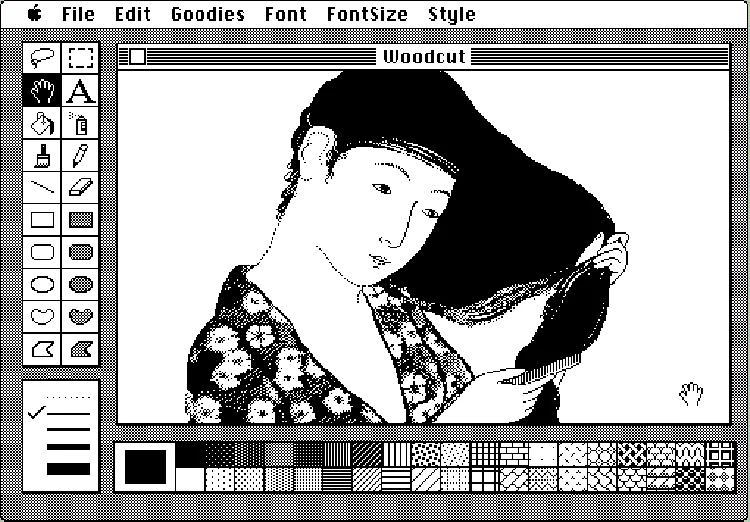
What strikes me most about Kare’s work (and this might surprise you) isn’t just her visual style, but her problem-solving approach. She worked with brutal technical constraints that would make most of us quit in frustration. A 32×32 pixel grid with only black and white? That’s like asking a painter to create a masterpiece using only a thumbtack and a single color.
Yet these constraints pushed her to focus on clarity and recognition, principles that matter even more today when we’re drowning in visual complexity. I sometimes wonder if we’ve lost something by having infinite design options at our fingertips. Maybe limitations aren’t the enemy of creativity but its catalyst?
It’s remarkable how her pioneering work in typography, iconography and interfaces continues to influence our digital experiences decades later. While the men became household names, Kare quietly built the visual language that made computers feel less like machines and more like tools for humans. Yet few outside the design world know her name or recognize her immense contribution.

If these insights sparked something in you, share them with other creative thinkers, founders, marketers, or leaders who value innovation. Because transformative ideas deserve to spread beyond boundaries.
Remember: While Everything is Designed, only the bold design their own path. Let’s be bold together.