Articles ·
Vibe Coding: Designers Finally Get Their Superpowers
Why designers will lead the AI coding revolution (and how to get started today)
For years, designers have faced this super frustrating limitation. We could dream up beautiful, functional digital experiences but couldn’t actually build them ourselves. We’d make mockups, prototypes, and detailed specs, then hand them off to developers who turned our visions into reality, sometimes exactly how we wanted, but often with compromises.
We were like conductors without an orchestra, able to write the score but unable to play the music as we wanted.
The Gap Between Vision and Execution
As UX and user-centered design pros, we’ve gotten really good at every part of the design process. We do the research, define the problems, design solutions, make prototypes, test with real people, and analyze what works. We understand how humans behave, how visual stuff communicates, and what businesses actually need.
But when it came to building functional digital products? We hit this massive wall. We either had to depend on developers or try to learn coding skills that just don’t match how designers think. HTML and CSS were doable, but anything more advanced required programming languages that felt completely backwards to our design-oriented brains.
This gap between design and development has been a constant pain in the digital product world. Ideas got lost in translation. Cool interactions were shot down as “too complex to implement.” Design compromises became just part of the job.
But something pretty amazing is happening.
Vibe Coding: The Designer’s New Superpower
Vibe coding is emerging as a totally new approach that clicks with designers’ minds. It enables us to use natural language (just like with ChatGPT) to instruct AI agents to code functionalities and apps exactly as we envision them. No more learning JavaScript or Python.
This isn’t just another no-code platform or template thing. Vibe coding is a fundamental shift in how we create digital stuff, one that finally puts designers where we belong: in the driver’s seat.
With tools like Vercel, Bolt.new, Lovable, or even Claude, we can finally bridge that gap between what we imagine and what we can actually build. We’re not stuck making static mockups or prototypes with fake buttons anymore. We can build real, working applications that people can actually use.
My Personal Experience
I actually tried this stuff myself recently and was kinda shocked. When I first started playing with these tools, I was skeptical, I mean, could it really be this easy? In like 10 minutes, I made a Figma plugin that automatically adapts banner designs to different languages based on a master frame. Before this, I would’ve had to either beg a developer friend or spend weeks trying to learn JavaScript, and probably give up halfway through.
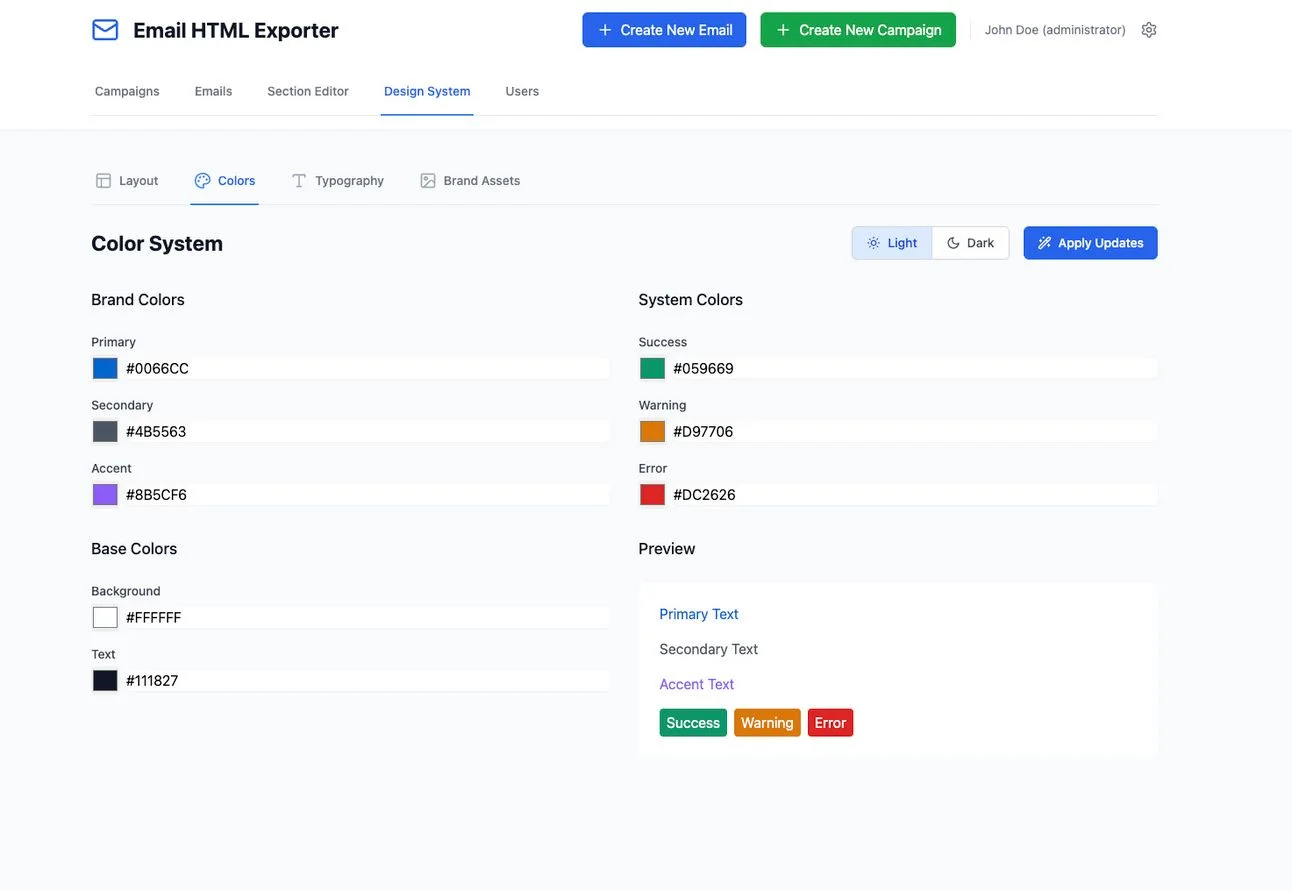
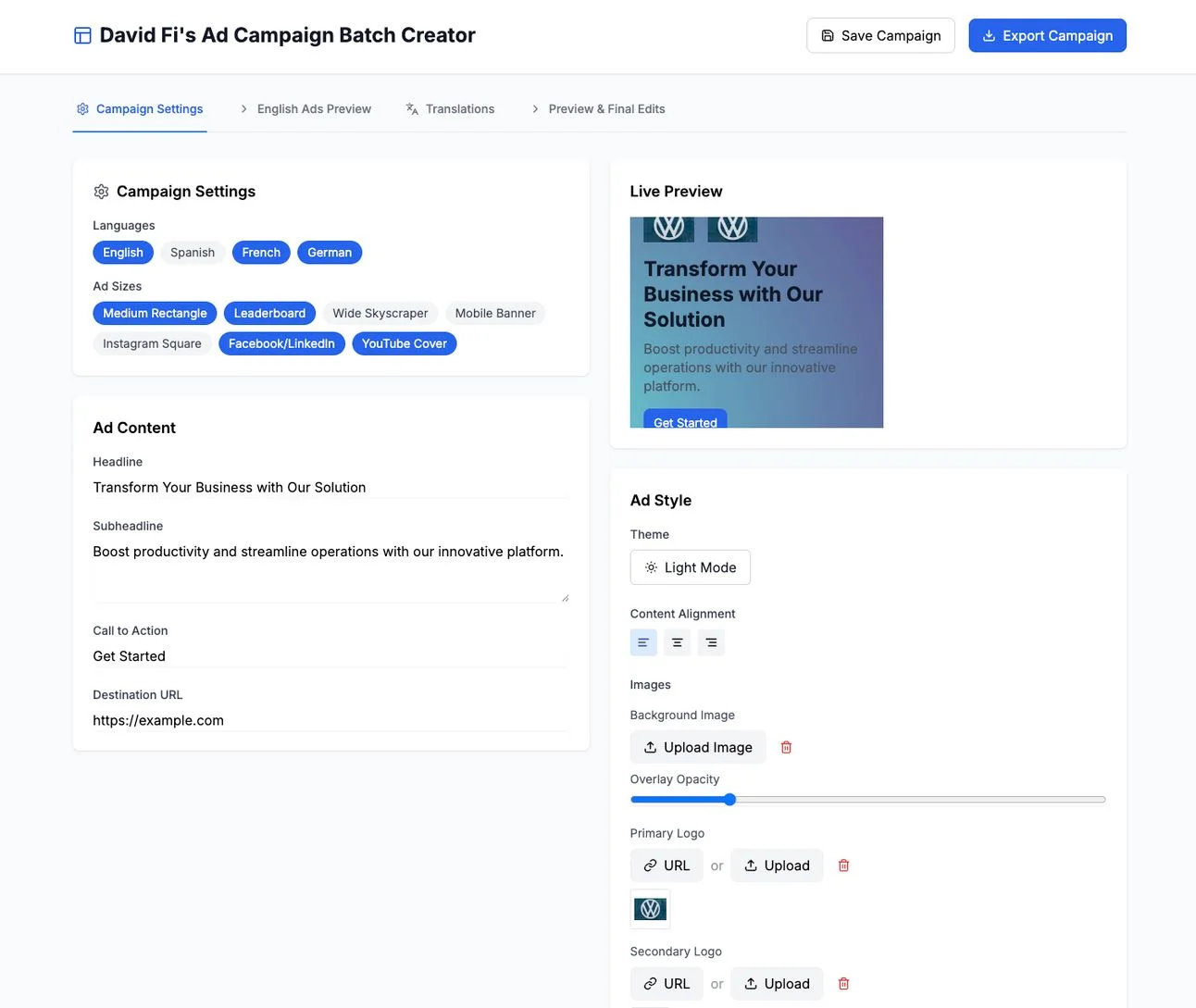
I also built this web app with Bolt.new just by describing what I wanted it to do. It took me a few tries to get the hang of it, but then, it was like a revelation. Both things were totally functional even though I spent less than 2 hours total messing around with them. It was like the wall between thinking of something cool and actually creating it just disappeared.
This is seriously game-changing for our profession.
Why Designers Are Uniquely Positioned
As designers, we’re actually the professionals most equipped to take advantage of this trend. Here’s why:
- We already think systematically. Good design isn’t just making pretty screens; it’s about creating systems. This system thinking translates perfectly to building actual working products. For example, when creating a design system, we already think about reusable components and how they interact, which is very similar to how code functions.
- We understand users deeply. We’ve been trained to focus on user-centered design, so we know not just how something should look, but how it should work for real humans. We can use this to make sure the apps we build are intuitive and solve real user problems. Imagine creating a user flow, that is the base of application logic.
- We see the whole picture. From research to testing, we’re involved in the entire product development lifecycle, giving us a perspective that many developers don’t have. This allows us to build applications that are not just functional, but also aligned with business goals.
- We think visually and spatially. Most vibe coding tools are designed around describing visual relationships rather than writing abstract code, which plays right into our strengths. We already think in layouts and visual hierarchies.
The only piece we were missing was the ability to actually build the dang thing, and now we have it.
The Future of Design
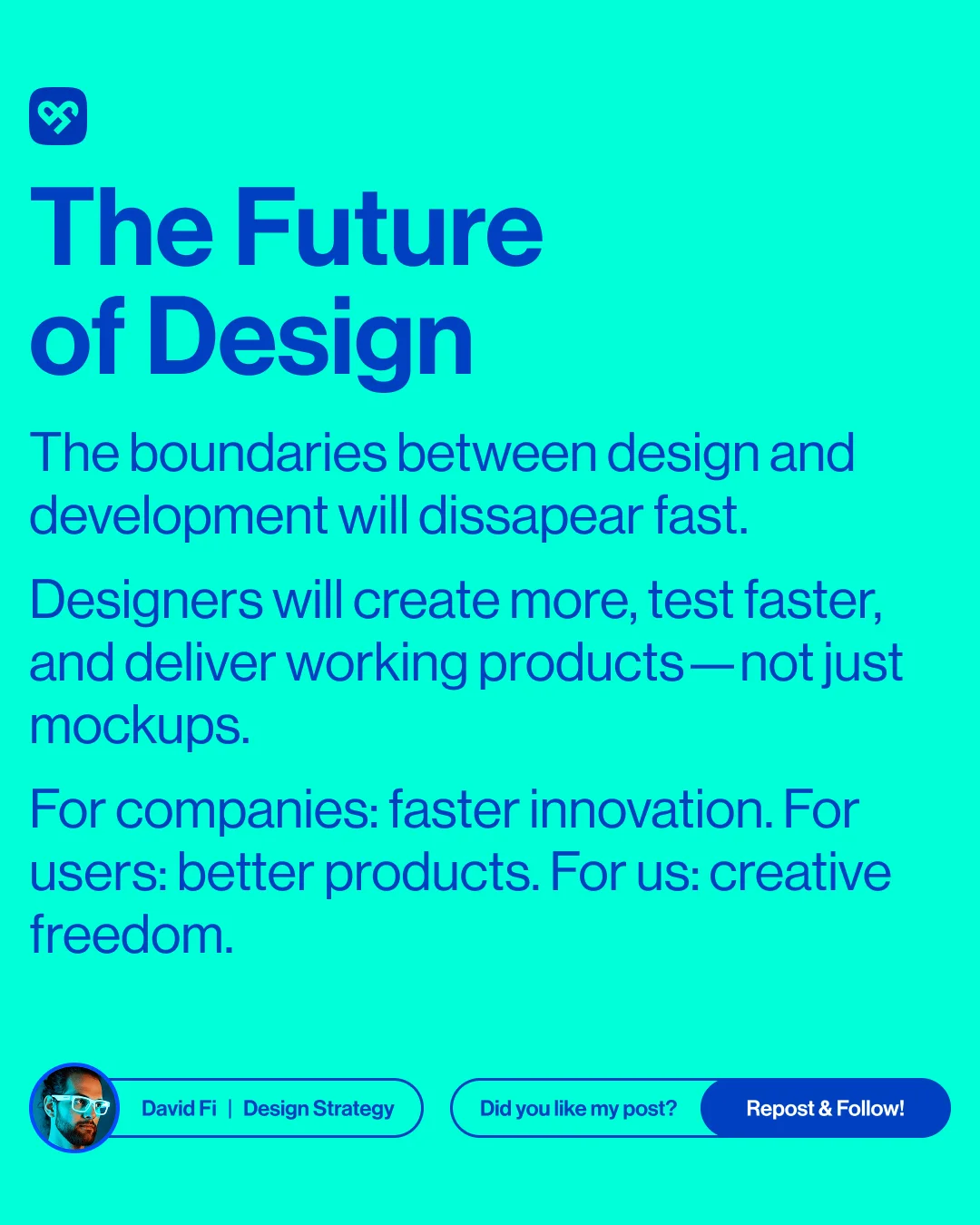
This shift is gonna dramatically change what it means to be a designer. The lines between design and development are already getting super blurry. Designers who jump on these tools will be able to create more stuff, test ideas faster, and deliver actual working products instead of just wireframes and mockups. This is going to mean that designers have a greater impact on the product life cycle, and will be able to more rapidly test and iterate on ideas.
For companies, this means they can innovate way quicker. For users, it means better products that actually work the way they’re supposed to. And for us designers? It means we finally get the freedom to create without hitting the “I need a developer” roadblock.
This doesn’t mean traditional coding is going extinct or anything. Big complex systems and enterprise-level applications will still need proper developers. But for a ton of digital products and features, we designers can now go from idea to finished product without depending on anyone else.
Getting Started
If you’re intrigued by vibe coding, here are some tools that are honestly blowing my mind right now:
- Bolt.new: Instant App Prototypes. Need a quick demo? Bolt.new creates functional apps from your words.
- Vercel v0: Live UI Design. Design interactive app components in real-time, right from your text description.
- Lovable: Full App Creation. Describe your app’s functionality, and Lovable builds it!
- Claude: Smart Code Assistance. Write from scratch or enhance existing app code with AI-powered modifications.
The crazy thing is how easy they are to use. Like, I expected a steep learning curve but it’s basically just explaining what you want, sorta like talking to a really technical friend who happens to code super fast.
The Only Limit Is Your Imagination
This proves what I’ve always believed: reasoning, logical thinking, having good criteria, and strategic design thinking are the fundamental skills that move ideas forward. Technical limitations have been the main thing holding back designers’ visions, and those barriers are finally coming down.
From now on, your imagination is actually the limit. We’re entering this era where designers can finally build what they envision, without having to compromise or depend on others.
And don’t forget: While Everything is Designed, only the bold design their own path. Let’s be bold together.