Articles ·
We've lost everything before
I studied traditional graphic design, and over the years I’ve also illustrated, taken photographs, recorded video, played in bands and composed songs. So several of the trades that technology was supposedly going to kill are mine. That’s why, every time someone declares design dead because of AI, I think of all the other times we “lost” everything.
There have been other moments in human history when the invention of a new technology, or some new gadget, seemed to take away the purpose, motivation and goals of many craftspeople, artists and workers. They had to reinvent themselves, or simply keep doing what they did, in a more human way.
Photography
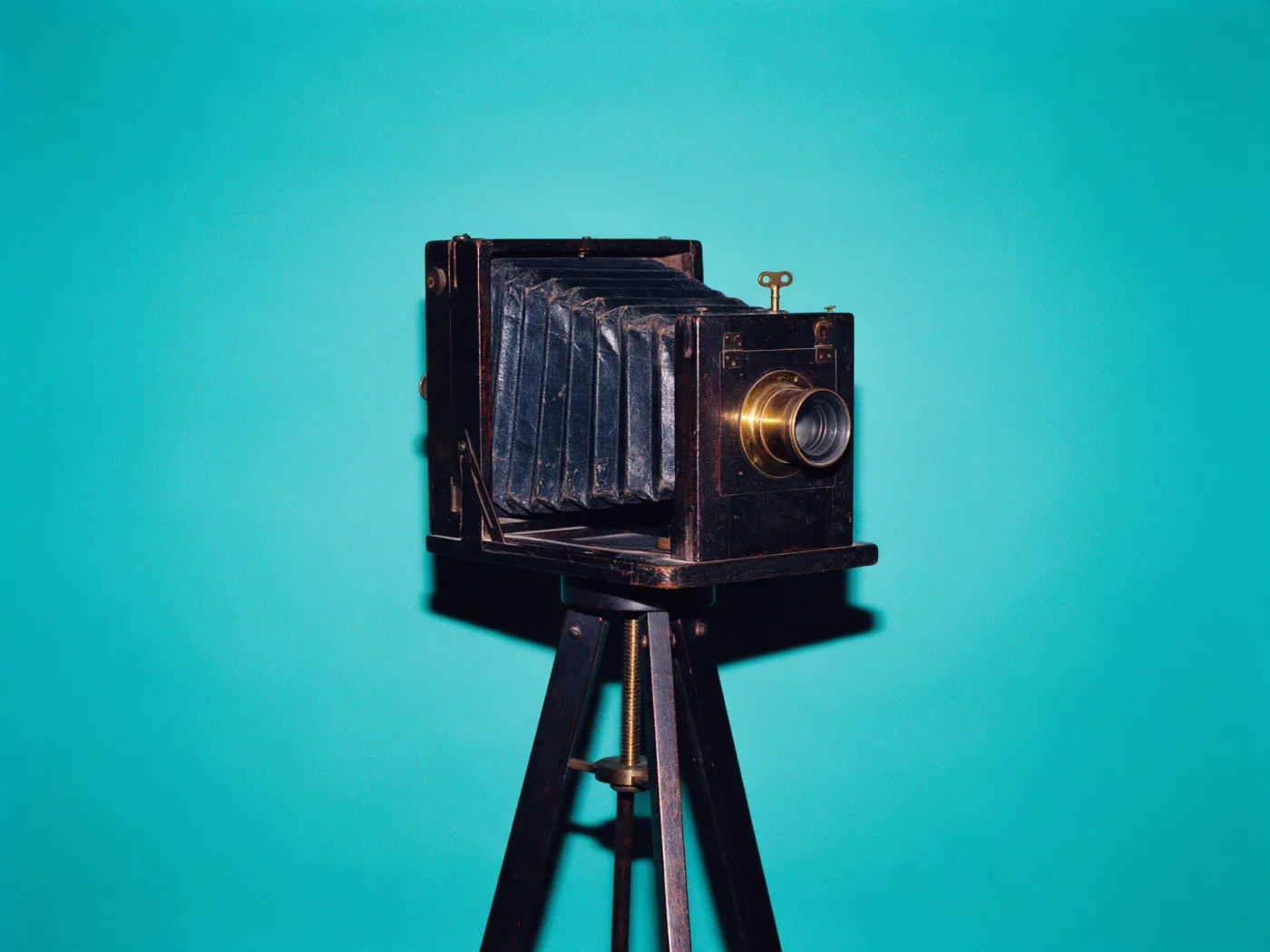
Think of the camera and what it meant for realist painters. There was no point painting portraits of the aristocracy anymore, because photography did it all in a single shot. And yet, decades later, the avant-garde exploded in painting, with creativity at its peak, like nothing anyone had seen before. All because a new invention could already do the old job, and that forced artists to think differently, to work out how to stand out and how to make something new. None of that happened until photography came along as the catalyst.
The printing press

The printing press was going to finish off the monks who copied books by hand and illuminated them, and people thought it would sweep all of that away. And that trade did disappear. But printing also created trades nobody had imagined: typesetters, printers, publishers and booksellers. Books got cheaper, more people learned to read, and today the publishing industry is still worth billions, with books, magazines and all kinds of publications printed every day.
Computers
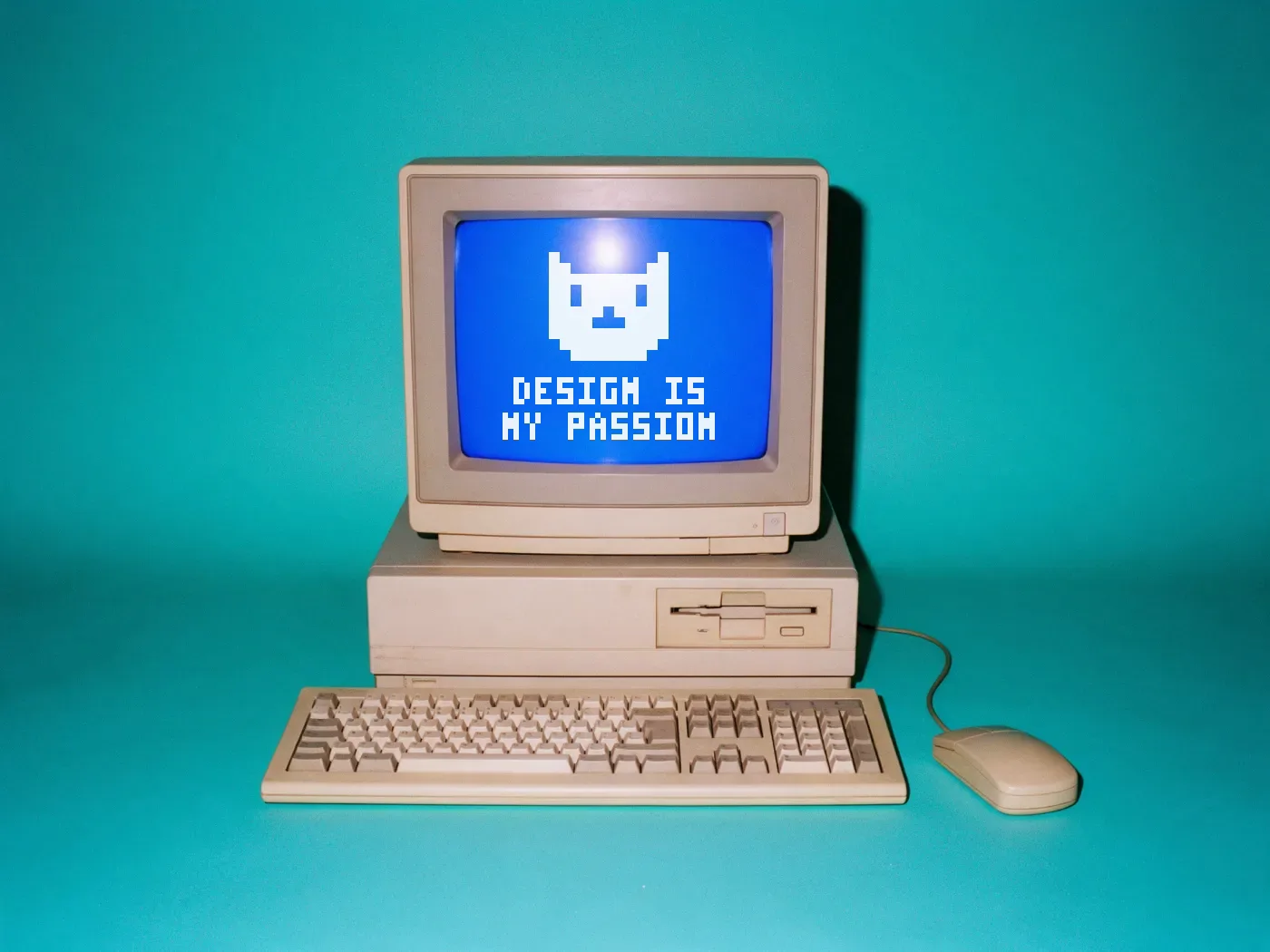
The same thing happened with computers and the internet, which were going to destroy a huge number of jobs. They did transform everything, but thousands of new jobs appeared at the same time. Typesetting gave way to desktop publishing. Suddenly we were laying out pages on a screen, much faster and more smoothly. Then more people started managing their own publications on digital platforms, and those platforms needed engineers and support teams. Then social media arrived, and with it new roles like community managers, along with copywriters and digital designers, jobs that didn’t exist before.
Music
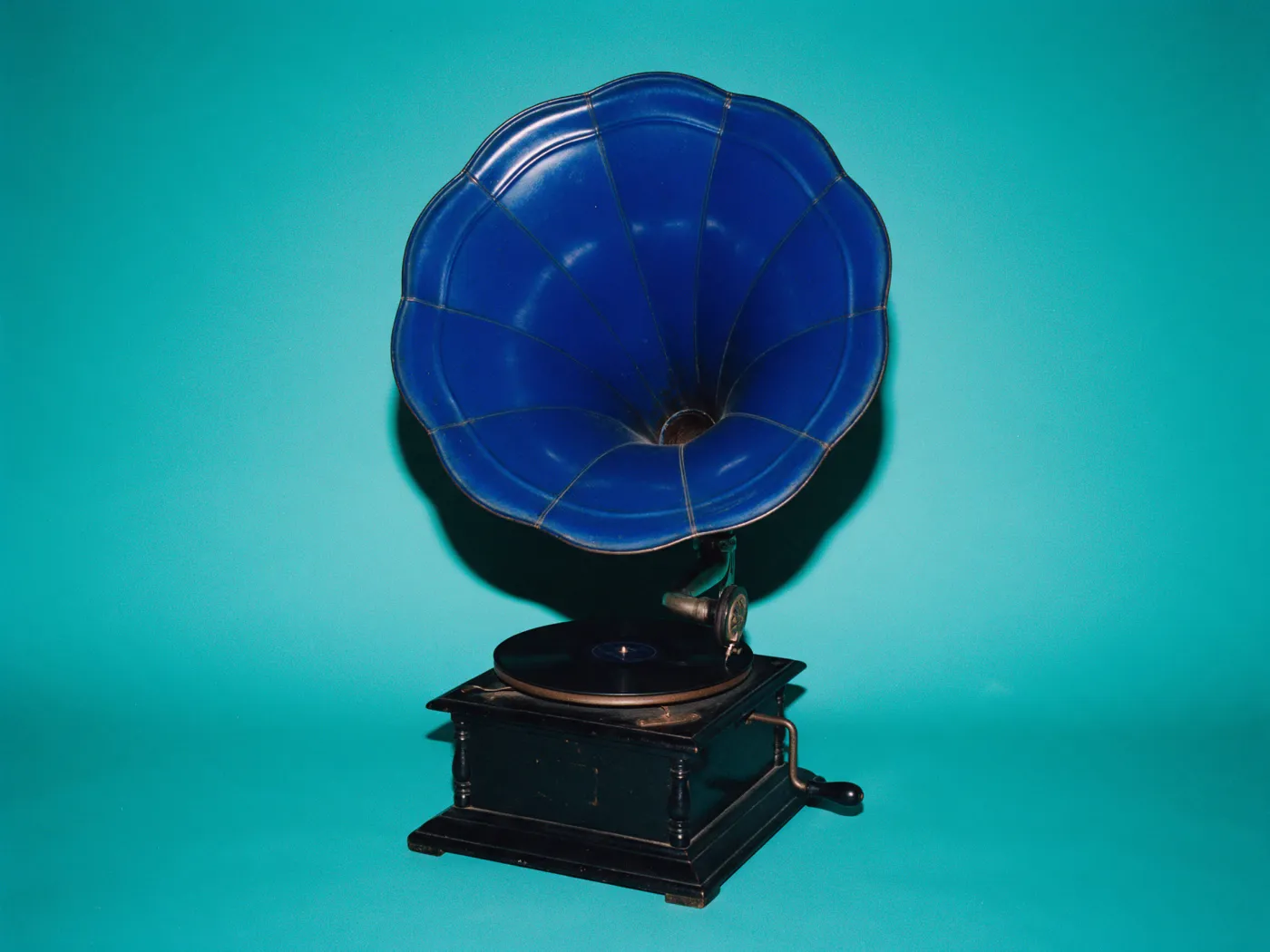
In music, the gramophone and the first recordings were going to be the death of musicians. Why would anyone learn music, or listen to musicians, when everything was already recorded on a disc we could play whenever we felt like it? Why would anyone pay to watch someone play live when they could hear the record at home?
Until then, music was mostly for those who had their own musicians, a quartet at court or a private orchestra, which meant the nobility. Or for whoever went down to the tavern, where street musicians and bards played. Live music was the only music there was. And suddenly along came music recorded on a physical medium, captured forever.
Then computers brought digital formats and MIDI, and we could compose music with a few clicks and play it back whenever we wanted on an electronic device. We didn’t even need a physical medium anymore, beyond a microchip storing ones and zeros. And yet we still pay hundreds of dollars to watch musicians play live. Or lately, not even that, just to watch them dance and lip-sync (sadly? Or well, this time we might be wrong, yes ^^U).
AI
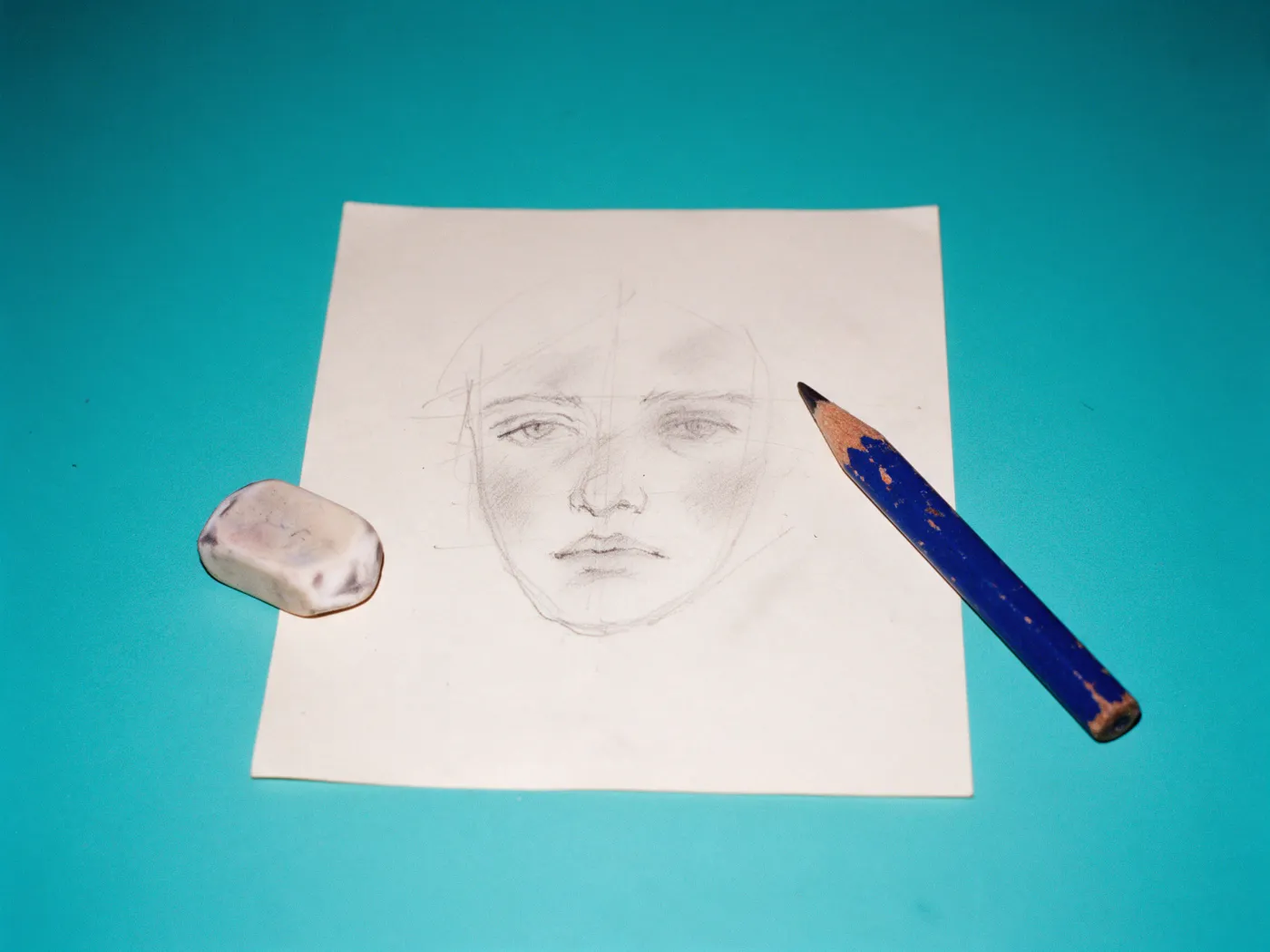
The same could happen with AI. Now we can generate millions of variations and new pieces in a second, but in the end what we look for is the intention behind each piece, the human who made it and their particular, imperfect view of the world. And we add our own interpretation of it, just as imperfect and subjective. And it will stay that way. We already write with ChatGPT, Gemini or Claude, make images with Nano Banana, video with Seedance and songs with Suno. And the artists using them have the chance to explore styles, do different things, take existing styles further, and say things in a different way, in new formats for ads and social media, or to tell stories.
Design
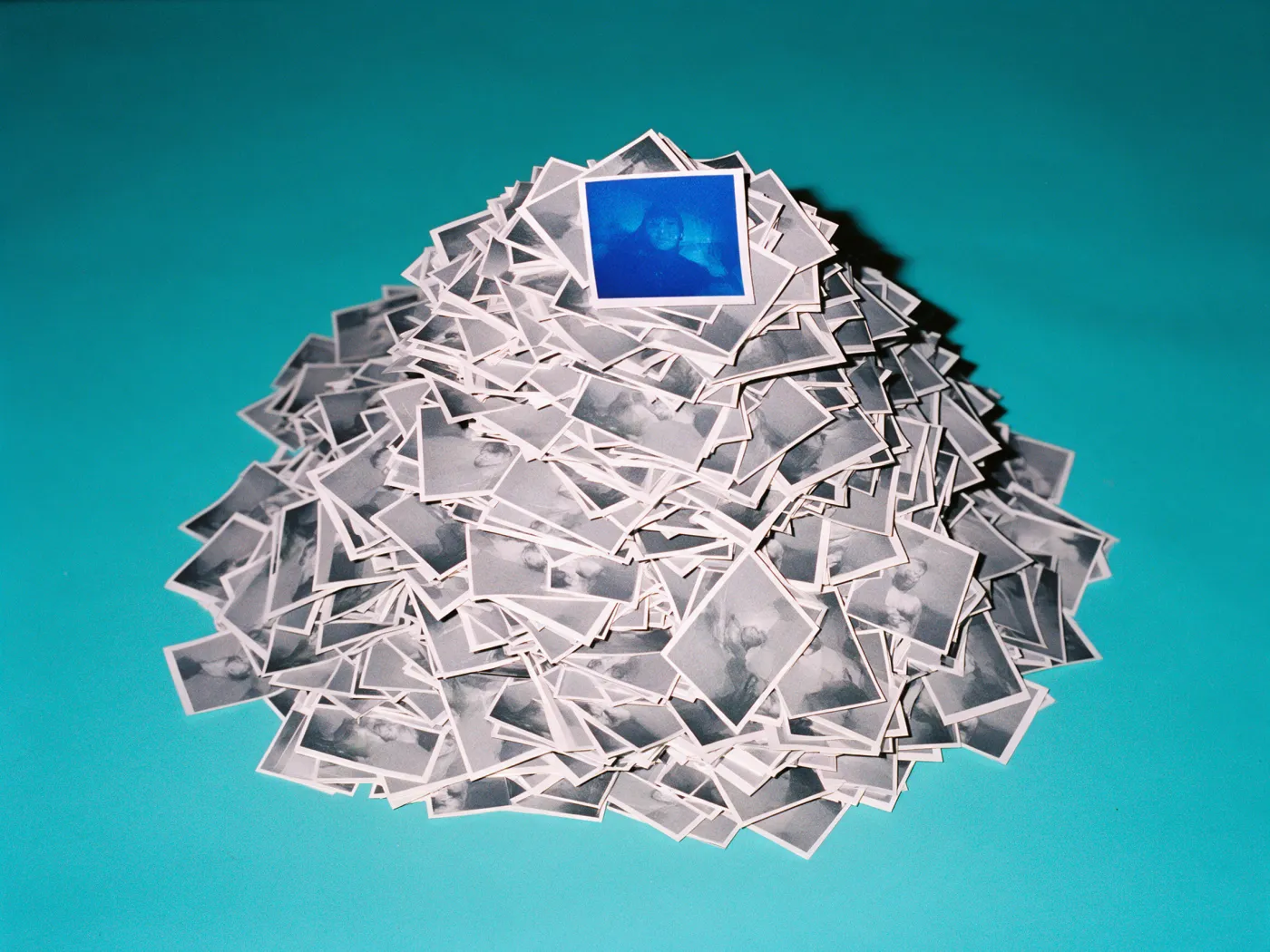
In design, think of painters like Toulouse-Lautrec, who drew his posters by hand, or Mucha, who painted advertising illustrations full of ornament and detail, with brush and paint and attention to every line. Then computers, digital creation and online distribution made it possible to copy a single file endlessly, as many times as we wanted, and without even the cost of printing and physical distribution.
And then came stock libraries, which hold thousands, millions of photos, templates, designs and illustrations, yet original illustration and design are still worth far more and fit what a brand wants to say much better. So yes, we have a tool that will help us scale and boost our skills, but as always, what makes the difference is intention, vision and attention to detail.
These days it isn’t enough to be just one more in the crowd, because everyone is going to use AI. And when everybody can produce 500 images in a second, producing 500 images in a second is worth nothing. That’s not where the difference will be. It will be in good judgment, in creativity, and in how we use this tool to bring our own particular vision into the world, now that it takes far fewer resources and opens up many more possibilities. We’ve lost everything before, and this time it will be the same as always. Critical thinking, good ideas and creative direction will be what separates those who stand out from those who don’t.